
Introduction
As we step into 2025, maintaining a clean and safe learning environment is more important than ever. Schools and educational institutions must prioritize hygiene to prevent illness, protect students and staff, and create a productive atmosphere for learning. A proactive approach to cleanliness can help reduce absenteeism and promote well-being.
Why a Clean and Safe Learning Environment Matters
- Reduced illness and absenteeism – Proper sanitation helps minimize the spread of germs.
- Enhanced concentration and performance – A clean space fosters focus and learning.
- Positive learning atmosphere – A well-maintained environment improves morale and motivation.
Key Hygiene Practices for Schools in 2025
1. Regular Cleaning and Disinfection
Daily cleaning of classrooms, restrooms, and shared spaces is essential. Schools should:
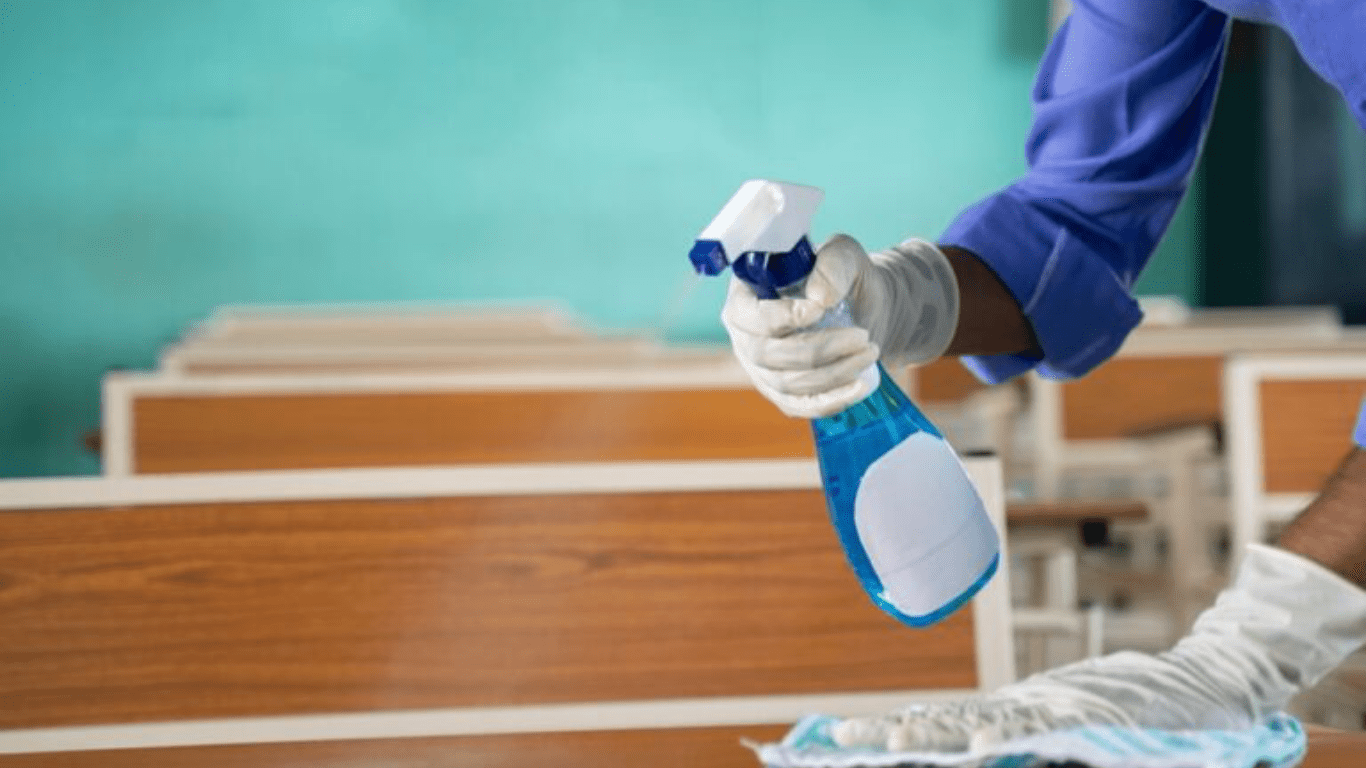
- Disinfect high-touch surfaces such as desks, door handles, and light switches.
- Use EPA-approved cleaning products to eliminate bacteria and viruses.
- Implement a routine cleaning schedule to maintain hygiene standards.
2. Hand Hygiene and Sanitation Stations
Encouraging proper hand hygiene is crucial in preventing the spread of illnesses. Schools should:
- Install hand sanitizer stations at entrances and in classrooms.
- Educate students on proper handwashing techniques.
- Ensure soap dispensers in restrooms are always stocked.
3. Proper Ventilation and Air Quality Control
Good air circulation can help reduce airborne contaminants. Schools should:
- Open windows where possible to improve airflow.
- Use air purifiers to filter out pollutants and allergens.
- Maintain HVAC systems to ensure proper ventilation.
4. Waste Management and Pest Control
Effective waste disposal and pest control contribute to a safer learning environment. Schools should:
- Provide enough trash bins and ensure they are emptied regularly.
- Separate waste into recyclables and non-recyclables.
- Conduct routine pest inspections and take preventive measures.
5. Educating Students and Staff on Hygiene Practices
Raising awareness about hygiene can create long-term positive habits. Schools should:
- Conduct hygiene training sessions for students and staff.
- Display posters and reminders about handwashing and cleanliness.
- Encourage personal responsibility in maintaining a clean classroom.
Implementing Hygiene Policies in Schools
School administrators should enforce hygiene policies that include:
- A structured cleaning and sanitization plan.
- Providing hygiene supplies in all classrooms and restrooms.
- Sick-leave policies to prevent sick students and staff from attending school.
Conclusion
A clean and safe learning environment is essential for student health, academic success, and overall well-being. By implementing proper hygiene practices, schools can create a safe and comfortable space for students and staff in 2025. Prioritizing cleanliness ensures a better future for education and a healthier school community.

The Secret Hygiene Habits of South Africa’s Most Productive Companies
February 25, 2026

Why High-Performing Companies Hire Cleaners After Hours (and You Should Too)
February 18, 2026

Workplace Romance? First, Show Some Love Through Hygiene!
February 11, 2026