
ESG in Cleaning and Facility Services: Why Sustainable Cleaning Matters More Than Ever
Environmental, Social and Governance (ESG) principles have become a defining factor in how organisations operate, measure success and choose their business partners. Once considered a priority only for large corporations and investors, ESG is now influencing procurement decisions across industries—including the cleaning and facility services sector.
Today, organisations are no longer selecting cleaning providers based solely on price or service quality. They are looking for partners who can help them achieve sustainability goals, promote healthier workplaces, reduce environmental impact and demonstrate ethical business practices. As a result, ESG in cleaning and facility services has become an essential consideration for facility managers, property owners and procurement professionals.
Professional cleaning companies play a far greater role than maintaining tidy workplaces. They contribute to healthier indoor environments, support employee wellbeing, improve operational efficiency and help organisations meet their environmental and governance objectives. By adopting responsible cleaning practices, businesses can strengthen their ESG performance while creating safer, more productive spaces for employees and visitors.
What Does ESG Mean?
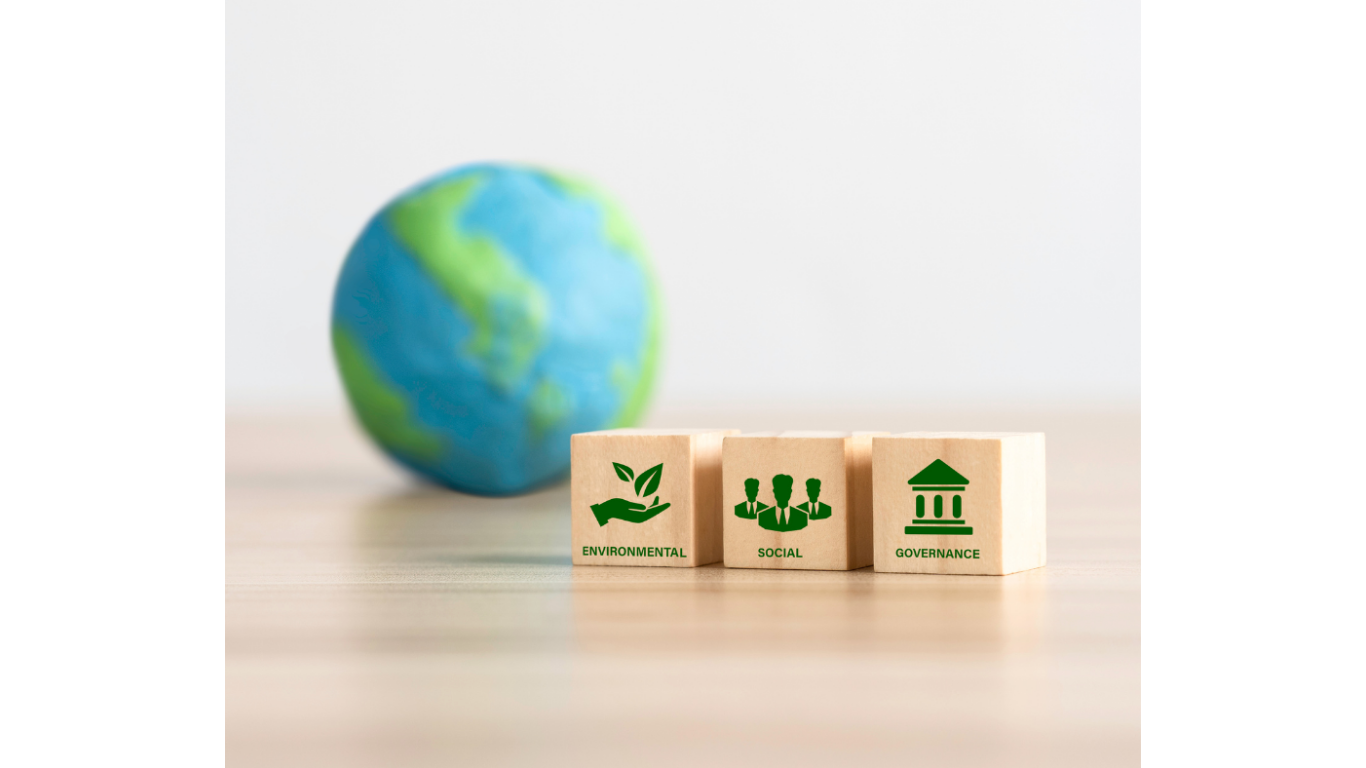
ESG is a framework used to measure how organisations manage their environmental impact, social responsibility and corporate governance beyond financial performance alone.
Environmental
The environmental pillar focuses on reducing an organisation's impact on the planet through sustainable business practices, including:
- Responsible chemical usage
- Water conservation
- Energy efficiency
- Waste reduction
- Recycling programmes
- Sustainable procurement
Social
The social component evaluates how businesses care for their employees, customers and communities. This includes:
- Employee health and safety
- Fair labour practices
- Diversity and inclusion
- Skills development
- Community involvement
- Customer wellbeing
Governance
Governance focuses on operating ethically, transparently and responsibly by maintaining strong management systems and compliance processes, such as:
- Compliance with legislation
- Transparent reporting
- Quality management systems
- Risk management
- Ethical procurement
- Corporate accountability
Professional cleaning contractors have the opportunity to make a meaningful contribution across all three ESG pillars by implementing sustainable practices, investing in their workforce and maintaining high operational standards.
Why ESG Matters in Cleaning and Facility Services
Cleaning teams work throughout every area of a building, making them uniquely positioned to influence sustainability, workplace health and overall operational performance.
Modern cleaning providers help organisations reduce their environmental footprint while creating safer, healthier environments for employees, customers and visitors. Furthermore, they assist businesses in meeting increasingly stringent environmental regulations and corporate sustainability commitments.
As more organisations publish annual sustainability and ESG reports, service providers who align with these objectives become valuable long-term partners rather than simply outsourced contractors. Businesses that embrace ESG in cleaning and facility services are therefore better positioned to support their clients' long-term success while strengthening their own competitive advantage.
Environmental Responsibility in Cleaning Services
Environmental sustainability has become one of the biggest drivers behind innovation in commercial cleaning. Businesses are increasingly seeking cleaning partners that minimise environmental impact without compromising hygiene standards.
Water Conservation
Traditional cleaning methods can consume significant volumes of water. Fortunately, modern cleaning technologies allow organisations to achieve exceptional cleaning results while using considerably less water.
Effective water-saving practices include:
- Microfibre cleaning systems
- Controlled chemical dilution
- Low-moisture carpet cleaning
- Water-efficient cleaning equipment
- Steam cleaning technologies
Reducing water consumption not only supports sustainability objectives but also helps businesses lower operational costs over time.
Responsible Chemical Management
Harsh cleaning chemicals can negatively affect indoor air quality, employee wellbeing and the surrounding environment if not managed responsibly.
Professional cleaning providers reduce these risks by:
- Using correctly diluted cleaning products
- Minimising unnecessary chemical usage
- Storing chemicals safely
- Training staff on responsible chemical handling
- Disposing of hazardous waste correctly
Consequently, organisations benefit from healthier indoor environments, improved workplace safety and reduced environmental impact.
Waste Reduction
Cleaning contractors influence waste generation every day through their products, consumables and cleaning practices.
Effective waste management strategies include:
- Recycling programmes
- Correct waste segregation
- Reduced plastic consumption
- Refillable soap and chemical dispensers
- Responsible waste disposal practices
These initiatives help organisations move closer to their sustainability targets while supporting broader environmental commitments.
Sustainable Cleaning Equipment
Technology continues to transform commercial cleaning by improving both productivity and environmental performance.
Examples of environmentally responsible equipment include:
- Energy-efficient cleaning machines
- Battery-powered equipment
- Low-noise cleaning systems
- HEPA-filter vacuum cleaners
- Durable reusable cleaning materials
These solutions reduce emissions, improve energy efficiency and contribute to healthier indoor environments while supporting long-term ESG objectives.
Social Responsibility in Cleaning Services
While environmental sustainability often receives the most attention, the social pillar of ESG is equally important. Professional cleaning teams contribute directly to healthier workplaces, safer environments and better experiences for everyone who uses a facility.
By investing in people, maintaining high safety standards and supporting local communities, cleaning providers help organisations meet their broader social responsibility objectives while enhancing productivity and employee wellbeing.
Protecting Health and Wellbeing
A clean and hygienic workplace is essential for protecting the health of employees, customers and visitors. Effective cleaning practices reduce the spread of harmful bacteria and viruses while creating a more comfortable environment for everyone.
Professional cleaning services support healthier workplaces by providing:
- Reduced exposure to harmful bacteria and viruses
- Improved indoor air quality
- Greater employee confidence and wellbeing
- Enhanced customer experiences
- Lower absenteeism through improved hygiene standards
Furthermore, maintaining consistently clean facilities demonstrates an organisation's commitment to employee welfare and creates spaces where people can work safely and comfortably.
Employee Training
Well-trained cleaning professionals deliver safer, more consistent and higher-quality services. Ongoing training ensures employees understand the latest cleaning technologies, health and safety regulations and environmentally responsible practices.
Continuous training programmes typically include:
- Safe chemical handling
- Infection prevention and control
- Equipment operation
- Occupational health and safety procedures
- Customer service skills
- Environmental awareness
Investing in employee development not only improves service quality but also supports workforce growth, employee retention and long-term organisational success.
Workplace Safety
Cleaning professionals work in environments that present a variety of occupational risks, including slips and falls, chemical exposure and manual handling injuries.
Strong workplace safety programmes help minimise these risks through:
- Comprehensive risk assessments
- Personal Protective Equipment (PPE) compliance
- Safe work procedures
- Incident reporting systems
- Ongoing supervision and monitoring
As a result, businesses can protect both cleaning staff and building occupants while reducing operational risks and supporting their overall ESG commitments.
Supporting Local Communities
Many professional cleaning companies contribute to economic and social development beyond the workplace. By creating employment opportunities and investing in local communities, they play an important role in sustainable business growth.
Community-focused initiatives often include:
- Local recruitment
- Skills development programmes
- Supplier development
- Community upliftment initiatives
- Youth employment opportunities
These investments strengthen local economies while helping organisations demonstrate genuine social responsibility.
Governance: Building Trust Through Accountability
Governance is sometimes overlooked within ESG discussions, yet it is one of the most important pillars for maintaining trust, reducing risk and ensuring long-term business success.
Clients increasingly expect cleaning providers to operate responsibly, comply with legislation and maintain transparent business practices. Strong governance provides confidence that services will be delivered consistently, ethically and professionally.
Effective governance includes:
- Compliance with labour legislation
- Occupational health and safety compliance
- Quality management systems
- Environmental management systems
- Transparent reporting
- Regular operational audits
- Ethical procurement practices
- Data protection and confidentiality
By maintaining robust governance frameworks, professional cleaning companies reduce operational risks while building stronger, long-term relationships with their clients.
The Role of Technology in ESG
Technology is transforming ESG in cleaning and facility services by providing organisations with better visibility into operational performance and sustainability outcomes.
Digital solutions enable cleaning providers to monitor quality, measure environmental performance and deliver transparent reporting that supports informed decision-making.
Examples of ESG-driven technology include:
- Digital quality inspections
- Electronic audit reports
- Preventative maintenance tracking
- Smart inventory management
- Chemical consumption monitoring
- Waste reporting dashboards
These technologies allow organisations to measure cleaning performance alongside sustainability goals, making ESG reporting more accurate, transparent and data-driven.
ESG Is Influencing Procurement Decisions
Procurement teams are placing greater emphasis on ESG when evaluating service providers. Rather than focusing solely on pricing, organisations are increasingly selecting partners that can demonstrate measurable environmental, social and governance performance.
Today, procurement teams commonly assess suppliers based on:
- Environmental certifications
- Health and safety performance
- Staff training and development
- B-BBEE contribution
- Sustainability initiatives
- Quality certifications
- Governance and compliance practices
Cleaning providers that can demonstrate strong ESG performance often gain a significant competitive advantage during the tender process. As organisations continue to prioritise sustainability, ESG in cleaning and facility services will remain a key factor in supplier selection and long-term business partnerships.
How Masana Hygiene Services Supports ESG Goals
At Masana Hygiene Services, ESG principles are integrated into every aspect of our cleaning and hygiene solutions. We understand that modern organisations require more than a cleaning contractor—they need a trusted partner that supports their environmental, social and governance objectives while maintaining the highest standards of service delivery.
Our ESG-focused approach includes:
- Environmentally responsible cleaning practices
- Responsible chemical management
- Water-conscious cleaning methods
- Comprehensive employee training
- Strong occupational health and safety programmes
- Consistent quality assurance
- National service delivery standards
- Transparent operational reporting
Our commitment to excellence is further supported by internationally recognised management systems, including:
- ISO 9001:2015 – Quality Management Systems
- ISO 14001:2015 – Environmental Management Systems
- ISO 45001:2018 – Occupational Health and Safety Management Systems
By aligning our services with internationally recognised best practices, we help clients maintain clean, safe and sustainable facilities while supporting their broader organisational ESG objectives.
The Future of Cleaning Is Sustainable
The future of the cleaning and facility management industry is being shaped by sustainability, innovation and accountability. Businesses are increasingly expecting service providers to deliver measurable value beyond maintaining clean buildings.
Professional cleaning companies are now expected to contribute towards environmental sustainability, improve workplace wellbeing, support regulatory compliance and strengthen corporate governance.
Organisations that embrace ESG in cleaning and facility services are better positioned to reduce operational risks, improve efficiency and build stronger relationships with employees, customers and stakeholders.
Likewise, cleaning providers that invest in sustainable practices, continuous staff development and transparent governance will remain trusted partners as ESG expectations continue to evolve.
Conclusion
The importance of ESG in cleaning and facility services will only continue to grow as organisations place greater emphasis on sustainability, employee wellbeing and responsible business practices.
Choosing a cleaning provider that aligns with your ESG objectives can deliver far-reaching benefits, including improved workplace hygiene, reduced environmental impact, stronger governance and enhanced operational resilience.
Whether your organisation is working towards ambitious sustainability targets, improving health and safety standards or strengthening governance practices, partnering with an experienced provider can make a measurable difference.
As businesses continue to prioritise responsible operations, ESG in cleaning and facility services will become an increasingly important factor in supplier selection. At Masana Hygiene Services, we are committed to helping our clients create healthier workplaces, support environmental sustainability and achieve long-term business success through professional, responsible and innovative cleaning solutions.
Frequently Asked Questions
What is ESG in cleaning and facility services?
ESG in cleaning and facility services refers to the environmental, social and governance practices that help organisations operate more sustainably, safely and ethically while maintaining clean, healthy workplaces. These practices include reducing environmental impact, prioritising employee wellbeing and ensuring transparent business operations.
Why is ESG important when selecting a cleaning company?
An ESG-focused cleaning provider helps organisations reduce their environmental footprint, improve workplace health and safety, support regulatory compliance and contribute towards broader sustainability goals. Choosing an ESG-aligned provider also demonstrates a commitment to responsible business practices.
How can cleaning services reduce environmental impact?
Professional cleaning companies reduce their environmental impact by conserving water, using cleaning chemicals responsibly, implementing recycling programmes, reducing waste and investing in energy-efficient cleaning equipment and sustainable technologies.
How does Masana Hygiene Services support ESG initiatives?
Masana Hygiene Services supports ESG through environmentally responsible cleaning practices, comprehensive staff training, quality assurance programmes, strong health and safety systems, responsible chemical management and internationally recognised ISO-certified management systems.
What are the benefits of ESG-focused cleaning services?
Businesses that partner with ESG-focused cleaning providers benefit from healthier workplaces, improved sustainability performance, stronger regulatory compliance, reduced operational risks, enhanced corporate reputation and long-term cost savings through more efficient and environmentally responsible cleaning practices.
Partner with Masana Hygiene Services
Creating a cleaner workplace is no longer just about appearance—it's about supporting your organisation's environmental, social and governance goals.
Masana Hygiene Services delivers professional cleaning and hygiene solutions that promote healthier people, more sustainable operations and long-term business success. By combining industry expertise with environmentally responsible practices and internationally recognised management systems, we help organisations meet today's ESG expectations while preparing for tomorrow's challenges.
Contact Masana Hygiene Services today to discover how our professional cleaning and facility services can support your ESG objectives, improve workplace wellbeing and create cleaner, safer and more sustainable environments.