
From Flooding to Fungi: The Hidden Hygiene Risks of Extreme Weather in Commercial Buildings
Introduction: Climate Change Is Reshaping Building Hygiene
Extreme weather events are no longer rare or seasonal. Across South Africa, businesses now experience heavier rainfall, flash flooding, prolonged humidity, and unpredictable weather patterns more frequently than ever before.
Although flooding often leaves visible damage, the most dangerous hygiene risks remain hidden. Once water recedes, buildings may appear operational again as floors dry and staff return. However, moisture often remains trapped in carpets, walls, ceilings, ventilation systems, and high-touch areas.
As a result, bacteria, mould, and fungi find ideal conditions to grow. For facility managers, property owners, and business leaders, climate change has therefore become a workplace health, safety, and compliance concern.
How Flooding Creates Hidden Hygiene Risks in Commercial Buildings
Flooding introduces far more than water into a building. Even minor water ingress can carry harmful contaminants such as:
- Bacteria and pathogens
- Sewage contamination
- Chemical pollutants
- Organic debris
When floodwater enters offices, retail spaces, distribution centres, or hospitality environments, it spreads contaminants quickly. Water seeps into porous materials like carpets, upholstery, drywall, and wooden fittings, which standard cleaning methods cannot fully sanitise.
Many organisations assume that once surfaces appear dry, the space is safe again. Unfortunately, visual cleanliness does not equal hygienic safety, which is where hidden hygiene risks in commercial buildings begin to escalate.
Moisture After the Storm: Where Bacteria Thrive
Residual moisture remains one of the most underestimated consequences of extreme weather. Even after surface drying takes place, humidity often stays trapped indoors.
Under these conditions, air circulation becomes compromised and damp materials continue to harbour bacteria. Consequently, harmful microorganisms multiply rapidly in:
- Shared workspaces
- Restrooms and kitchens
- Lift buttons, door handles, and touchpoints
- Break rooms and communal areas
Without professional sanitisation, bacteria spreads through daily contact, increasing illness, absenteeism, and reduced productivity.
From Damp to Dangerous: The Rise of Mould and Fungi
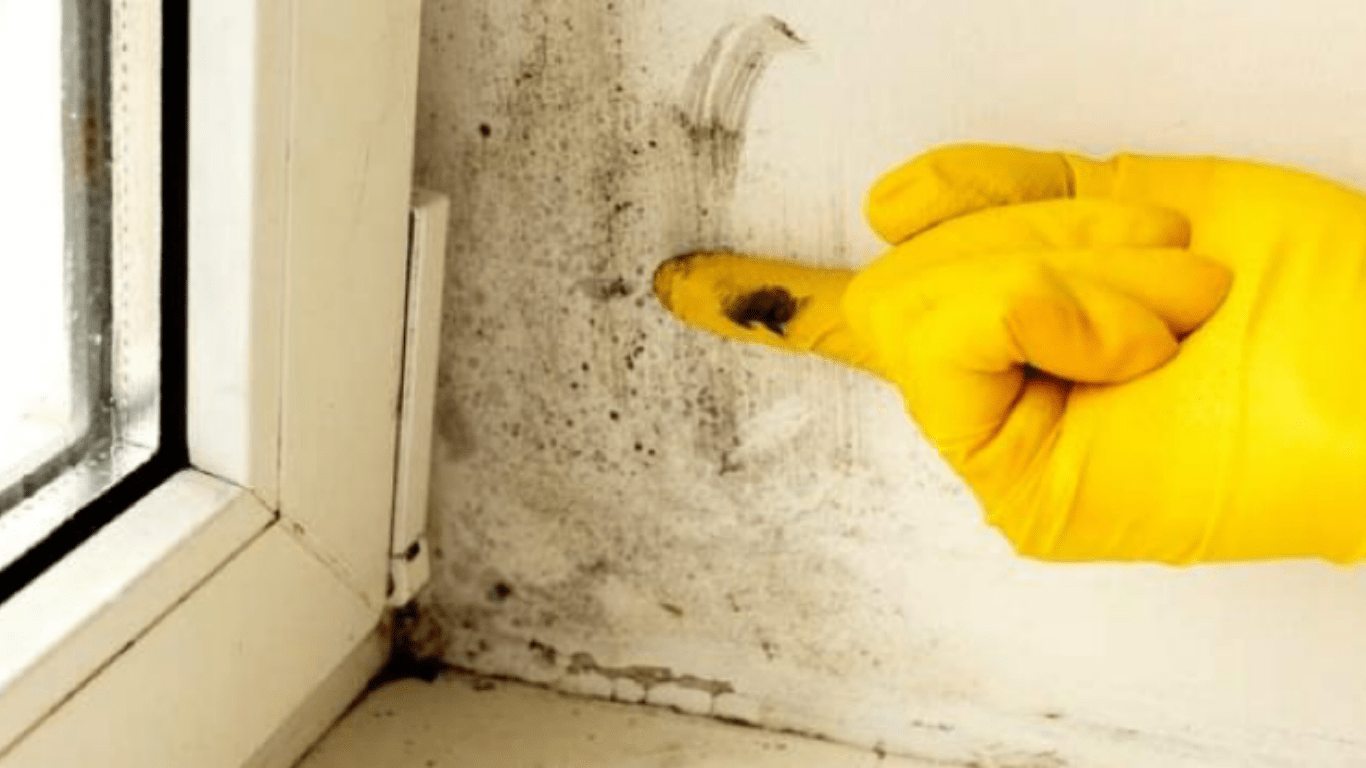
Mould and fungi present some of the most serious hidden hygiene risks following extreme weather events.
Why mould often goes undetected
Mould rarely becomes visible immediately. Instead, it grows silently in hidden areas such as:
- Behind walls and ceiling boards
- Inside air ducts and HVAC systems
- Under carpets and flooring
- Basements and underground parking areas
By the time odours or visible growth appear, mould has often already spread extensively.
Health implications of mould exposure
Prolonged exposure to mould can cause:
- Respiratory issues
- Allergic reactions
- Headaches and fatigue
- Worsening of asthma and chronic conditions
For employers, this leads to increased sick leave, employee complaints, and potential liability.
High-Risk Areas Facility Managers Often Overlook
Extreme weather exposes weaknesses in areas that routine cleaning schedules often miss. Common high-risk zones include:
- HVAC systems: Moisture and spores circulate throughout the building
- Server rooms and electrical areas: Condensation creates hygiene and operational risks
- Restrooms: High humidity accelerates bacterial growth
- Basements and storage areas: Limited airflow encourages damp conditions
- Soft furnishings: Carpets, chairs, and curtains trap moisture and contaminants
These areas require targeted deep cleaning and professional sanitisation rather than surface-level maintenance.
Why Standard Cleaning Is No Longer Enough
Routine cleaning focuses on appearance by removing visible dirt and waste. While this supports daily upkeep, it does not address climate-driven hygiene risks.
Standard cleaning often fails because it:
- Does not eliminate bacteria at a microbial level
- Spreads contaminants across surfaces
- Cannot reach concealed moisture zones
Professional deep cleaning and sanitisation, on the other hand, targets bacteria, fungi, and viruses using compliant hygiene protocols and industry-approved disinfectants.
The Business Impact of Ignoring Climate-Driven Hygiene Risks
When organisations fail to address hidden hygiene risks in commercial buildings, the consequences escalate quickly.
- Increased employee illness and absenteeism
- Reduced productivity and morale
- Health and safety non-compliance
- Reputational damage
- Long-term structural deterioration
For sectors such as corporate offices, healthcare facilities, retail environments, hospitality, and distribution centres, these risks can become severe.
Building a Proactive Hygiene Strategy for Extreme Weather
Forward-thinking organisations now adapt their hygiene strategies to match changing climate conditions.
A climate-ready hygiene plan includes:
- Scheduled deep cleaning during high-rainfall seasons
- Emergency hygiene response after flooding or water ingress
- Regular sanitisation of high-touch and high-risk areas
- Preventative assessments to identify moisture vulnerabilities
This proactive approach shifts hygiene from a reactive service into a strategic function.
How Masana Hygiene Services Supports Climate-Ready Buildings
Masana Hygiene Services supports South African businesses facing evolving hygiene challenges caused by extreme weather.
Our professional hygiene solutions address hidden hygiene risks in commercial buildings through:
- Deep cleaning and professional sanitisation
- Post-flood and emergency hygiene response
- Targeted treatment of high-risk areas
- Industry-aligned hygiene processes delivered by trained professionals
We help organisations ensure their buildings remain clean, safe, compliant, and resilient.
Conclusion: A New Hygiene Mindset for a Changing Climate
Climate change has permanently altered how businesses must approach hygiene. Flooding, humidity, and extreme weather introduce risks that routine cleaning alone cannot resolve.
By addressing hidden hygiene risks in commercial buildings, organisations protect their people, operations, and reputation.
Extreme weather is unavoidable. Hygiene risks don’t have to be.
Is your building prepared for climate-driven hygiene risks? Masana Hygiene Services provides professional deep cleaning, sanitisation, and emergency hygiene response services across South Africa.
Frequently Asked Questions
What are the hidden hygiene risks after extreme weather?
Flooding and damp conditions allow bacteria, mould, and fungi to grow in areas that standard cleaning cannot reach.
Can regular cleaning fix these risks?
No. Only professional deep cleaning and sanitisation can eliminate hidden microbial contamination.
How can commercial buildings stay safe?
Buildings should schedule deep cleaning, treat high-risk areas, and maintain an emergency hygiene response plan.

The Secret Hygiene Habits of South Africa’s Most Productive Companies
February 25, 2026

Why High-Performing Companies Hire Cleaners After Hours (and You Should Too)
February 18, 2026

Workplace Romance? First, Show Some Love Through Hygiene!
February 11, 2026