
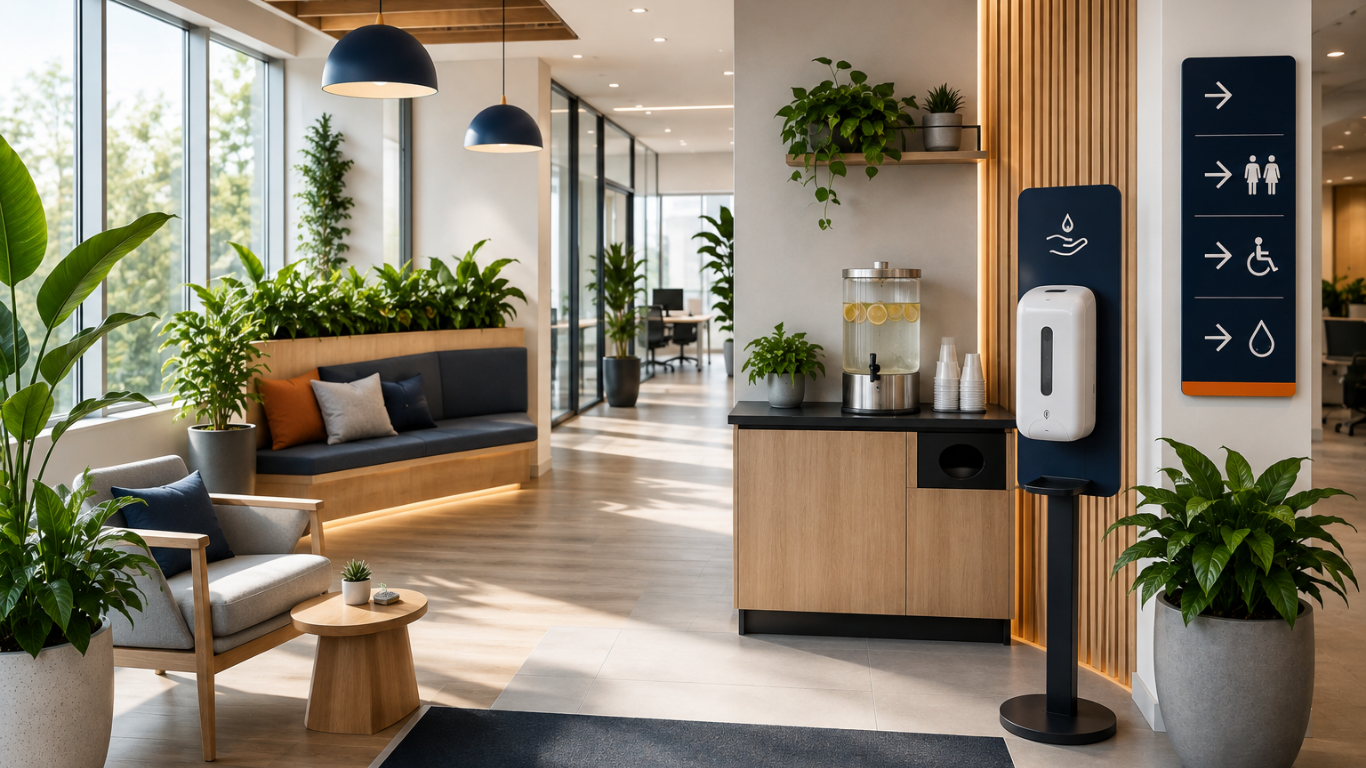
Inclusive Workplace Hygiene: Trends for Better Workplaces
The future of inclusive workplace hygiene is transforming the way organisations think about their workplaces. Hygiene is no longer simply about keeping surfaces clean; it is about creating environments where every employee, visitor and customer feels safe, respected and able to access facilities with dignity.
Today's workplaces are more diverse than ever. Employees have different physical abilities, health needs, cultural backgrounds and expectations. As a result, organisations must ensure their cleaning and hygiene strategies support everyone equally. From accessible washrooms and touch-free technology to sustainable cleaning practices and wellness spaces, inclusive workplace hygiene has become an essential part of creating productive, resilient and welcoming workplaces.
What is Inclusive Workplace Hygiene?
Inclusive workplace hygiene refers to designing cleaning programmes, hygiene facilities and workplace environments that meet the needs of everyone who uses them. It goes beyond traditional cleaning by ensuring that hygiene solutions are accessible, equitable and supportive of different physical, cultural and health requirements.
An inclusive hygiene strategy considers employees with disabilities, ageing workforces, visitors, contractors, pregnant employees, parents with young children and individuals with temporary injuries or illnesses. It ensures that everyone has equal access to clean, hygienic and comfortable facilities.
Key elements of inclusive workplace hygiene include:
- Accessible washrooms
- Touch-free hygiene technology
- Clearly marked hygiene stations
- Proper waste management
- Safe cleaning practices
- Gender-inclusive hygiene facilities
- Comfortable wellness spaces
- High indoor air quality
Rather than viewing hygiene as a compliance exercise, organisations are recognising it as an investment in employee wellbeing and workplace experience.
Why Inclusive Workplace Hygiene Matters
Workplaces have changed dramatically over the past few years. Employees now expect organisations to prioritise their health, safety and wellbeing while creating spaces that support productivity and inclusion.
Implementing inclusive workplace hygiene helps organisations:
- Reduce the spread of illnesses
- Improve employee wellbeing
- Increase workplace confidence
- Support accessibility
- Enhance visitor experiences
- Strengthen ESG commitments
- Improve organisational reputation
- Increase productivity
Employees who work in clean and accessible environments are more likely to feel comfortable, engaged and motivated. Visitors and clients also notice well-maintained facilities, which contributes to positive first impressions and reinforces professionalism.
An inclusive hygiene programme demonstrates that an organisation values people as much as performance.
Touch-Free Hygiene Technology
Touch-free hygiene solutions are becoming standard across modern workplaces.
These include:
- Sensor taps
- Automatic soap dispensers
- Touch-free sanitiser stations
- Automatic paper towel dispensers
- Motion-activated doors
- Sensor-operated flush systems
Reducing contact with high-touch surfaces helps minimise the spread of germs while improving accessibility for individuals with limited mobility.
Smart hygiene systems can also monitor usage levels and notify facility teams when consumables require replenishment, ensuring facilities remain fully stocked throughout the day.
Universal Washroom Design
Inclusive washrooms are designed to accommodate everyone comfortably.
Features commonly include:
- Wheelchair-accessible cubicles
- Wider entrances
- Baby changing facilities
- Accessible handwashing stations
- Sanitary disposal units
- Improved lighting
- Clear signage
- Slip-resistant flooring
Universal design creates safer, more practical spaces for employees and visitors regardless of age or physical ability.
Wellness Spaces Supporting Employee Health
Modern workplaces increasingly incorporate wellness spaces designed to support physical and mental wellbeing.
Examples include:
- Hydration stations
- Indoor plants
- Comfortable seating
- Quiet rooms
- Air purification systems
- Natural lighting
These spaces encourage employees to take short breaks, recharge and maintain better overall wellbeing. Combined with professional cleaning, they create healthier environments that support productivity and reduce workplace stress.
Sustainable Cleaning Practices
Sustainability and hygiene are no longer separate priorities.
Forward-thinking organisations are implementing:
- Eco-friendly cleaning chemicals
- Water-saving cleaning methods
- Microfibre technology
- Recycling programmes
- Responsible waste management
- Environmentally conscious consumables
Sustainable cleaning practices reduce environmental impact while maintaining high hygiene standards. They also support corporate sustainability goals and demonstrate environmental responsibility to employees and clients.
Smarter Cleaning Through Data
Technology is helping facilities teams move from reactive cleaning to proactive facility management.
Digital tools now allow organisations to:
- Monitor washroom usage
- Track consumable levels
- Schedule cleaning based on occupancy
- Record inspections digitally
- Analyse hygiene performance
Using data enables cleaning teams to allocate resources more effectively and maintain consistently high hygiene standards throughout the day.
Employee-Centred Hygiene Programmes
Successful organisations involve employees in creating healthier workplaces.
Employee-centred hygiene programmes include:
- Readily available sanitising stations
- Healthy communal spaces
- Clean kitchen facilities
- Fresh washrooms
- Improved indoor air quality
- Regular hygiene communication
Gathering employee feedback also helps organisations identify improvement opportunities and adapt hygiene programmes to changing workplace needs.
Inclusive Hygiene Policies and Leadership
Technology and cleaning services alone are not enough.
Successful organisations support inclusive hygiene through policies that encourage:
- Equal access
- Respectful facilities
- Infection prevention
- Employee education
- Continuous improvement
- Workplace wellbeing
Leadership plays an important role by embedding hygiene into organisational culture rather than treating it solely as a facilities management responsibility.
Sustainability and Workplace Hygiene
Environmental responsibility is becoming a key consideration when developing hygiene programmes.
Businesses are increasingly choosing cleaning partners that prioritise:
- Reduced water usage
- Biodegradable cleaning products
- Responsible chemical management
- Waste reduction
- Recycling initiatives
- Energy-efficient equipment
Sustainable hygiene programmes support healthier workplaces while reducing environmental impact, making them an important component of long-term business success.
Creating an Inclusive Workplace Culture
Inclusive workplace hygiene is about more than facilities; it is about creating a culture where everyone feels welcome.
Organisations can strengthen this culture by:
- Providing accessible facilities
- Maintaining consistently clean environments
- Offering hygiene education
- Encouraging employee feedback
- Investing in workplace wellness
- Reviewing hygiene policies regularly
When hygiene becomes part of organisational culture, employees are more likely to adopt healthy behaviours that benefit everyone.
How Masana Hygiene Services Supports Inclusive Workplace Hygiene
At Masana Hygiene Services, we believe every workplace should be clean, healthy and accessible for everyone who enters it.
For more than 20 years, we have partnered with organisations across South Africa to deliver tailored cleaning and hygiene solutions that improve workplace health, safety and operational efficiency.
Our services include:
- Commercial Cleaning
- Hygiene and Washroom Services
- Touchpoint Disinfection
- Deep Cleaning
- Carpet and Upholstery Cleaning
- Pest Control
- Waste Management
- High-Level Window Cleaning
- Hygiene Consumables Management
Our trained professionals use proven cleaning methodologies, modern equipment and quality assurance processes to help organisations create inclusive environments where employees and visitors can thrive.
Whether managing a corporate office, healthcare facility, educational institution or industrial site, Masana develops customised hygiene programmes aligned with each client's operational requirements and industry standards.
Frequently Asked Questions
What is inclusive workplace hygiene?
Inclusive workplace hygiene ensures that cleaning programmes and hygiene facilities are accessible, safe and suitable for everyone, regardless of age, ability or health needs.
Why is inclusive workplace hygiene important?
It improves employee wellbeing, reduces illness, supports accessibility, strengthens organisational reputation and creates healthier working environments.
How can businesses improve workplace hygiene?
Businesses can improve workplace hygiene by implementing touch-free technology, maintaining accessible facilities, investing in professional cleaning services, using sustainable products and regularly reviewing hygiene policies.
How does professional cleaning support inclusion?
Professional cleaning ensures consistent hygiene standards, safer environments and properly maintained facilities that accommodate the needs of diverse workplace users.
Final Thoughts
The future of inclusive workplace hygiene is about much more than cleanliness. It is about creating environments where every individual feels safe, respected and supported.
As organisations continue to invest in employee wellbeing, accessibility and sustainability, hygiene will remain a critical part of workplace strategy. Businesses that embrace inclusive hygiene today are not only protecting people from illness; they are building stronger workplace cultures, enhancing operational performance and preparing for the future of work.
At Masana Hygiene Services, we are committed to helping organisations create healthier, safer and more inclusive environments through professional cleaning and hygiene solutions tailored to every workplace.