
Integrated Pest Management Explained: A Smarter, Safer Approach to Pest Control
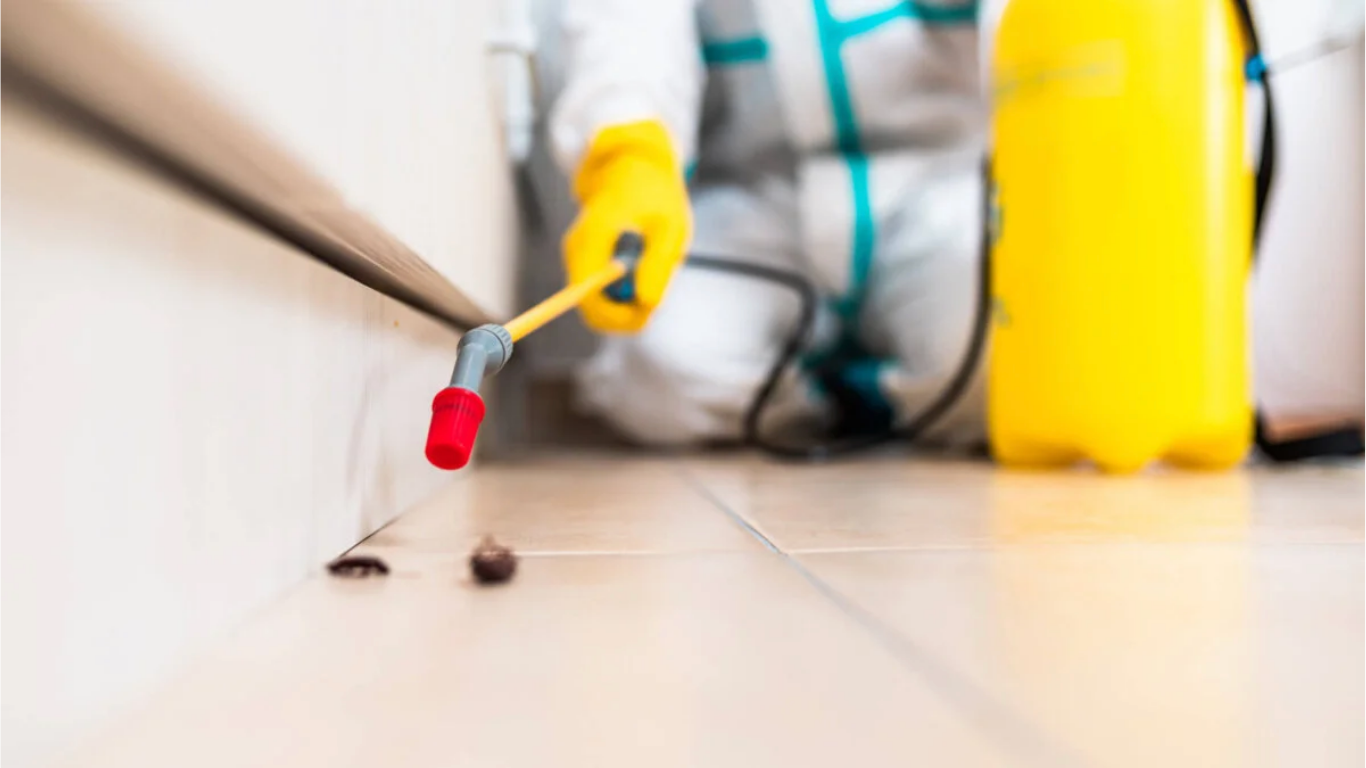
When many people think of pest control, they picture technicians spraying chemicals to eliminate insects or rodents. While pesticides still have an important role, modern pest management has evolved into a far more strategic and preventative process.
Integrated Pest Management (IPM) is a science-based approach that focuses on preventing pest problems before they become infestations. By combining regular inspections, monitoring, sanitation, exclusion techniques, education, and carefully targeted treatments, IPM offers a safer, more sustainable, and highly effective way to manage pests.
Whether you operate an office building, healthcare facility, warehouse, retail centre, school, food manufacturing plant, or industrial site, implementing Integrated Pest Management helps protect your employees, customers, property, and reputation while reducing unnecessary chemical use.
What Is Integrated Pest Management?
Integrated Pest Management is a long-term pest control strategy that combines multiple control methods rather than relying solely on pesticides.
Instead of asking:
"How do we eliminate the pests?"
Integrated Pest Management asks:
"Why are the pests here in the first place, and how can we prevent them from returning?"
This proactive approach addresses the root causes of pest activity rather than repeatedly treating the symptoms.
The primary goals of Integrated Pest Management are to:
- Prevent pest infestations
- Protect people and property
- Reduce health risks
- Minimise environmental impact
- Protect stock and equipment
- Use pesticides only when necessary
Why Prevention Is Better Than Treatment
Pests rarely appear without a reason. Their presence usually indicates underlying environmental or maintenance issues.
Common examples include:
- Food waste attracting cockroaches
- Standing water encouraging mosquitoes
- Overflowing bins attracting flies
- Structural gaps allowing rodents to enter
- Clutter creating ideal nesting areas
Simply removing visible pests without correcting these conditions often results in recurring infestations.
Integrated Pest Management focuses on identifying and eliminating these contributing factors to deliver long-term results.
The Five Principles of Integrated Pest Management
Every successful Integrated Pest Management programme is built on five key principles that work together to reduce pest activity while protecting people, property, and the environment.
1. Inspection
Every successful programme begins with a detailed inspection.
Qualified technicians identify:
- Pest species
- Entry points
- Nesting locations
- Food and water sources
- Structural vulnerabilities
- Environmental conditions
A thorough inspection ensures that treatment plans are based on evidence rather than guesswork.
2. Monitoring
Regular monitoring allows pest activity to be tracked before it develops into a serious infestation.
Monitoring methods may include:
- Sticky monitoring traps
- Rodent monitoring stations
- Digital reporting systems
- Routine inspections
- Trend analysis
Ongoing monitoring enables businesses to respond quickly while reducing unnecessary treatments.
3. Prevention
Prevention forms the foundation of Integrated Pest Management.
Preventative measures may include:
- Sealing cracks and gaps
- Repairing damaged doors and windows
- Improving waste management
- Cleaning food preparation areas
- Removing standing water
- Improving drainage
- Maintaining landscaping
- Managing vegetation around buildings
Many pest problems can be prevented without using chemical treatments.
4. Targeted Control Measures
When pest activity is detected, technicians select the most appropriate treatment based on the pest species and severity of the infestation.
Control methods may include:
- Mechanical traps
- Physical barriers
- Biological controls
- Heat treatments
- Baits
- Targeted pesticide applications
Chemical treatments are used responsibly and only when necessary as part of the broader Integrated Pest Management strategy.
5. Evaluation and Continuous Improvement
Integrated Pest Management is an ongoing process rather than a once-off treatment.
Following each service, professionals evaluate results by:
- Reviewing monitoring data
- Conducting follow-up inspections
- Updating treatment plans
- Identifying recurring risks
- Implementing additional preventative measures
Continuous improvement helps ensure lasting pest control.
Common Workplace Pests
Different industries face different pest challenges, but the most common commercial pests include:
Rodents
Rodents damage electrical wiring, contaminate food, destroy packaging, and spread disease. Warning signs include droppings, gnaw marks, scratching noises, and nesting materials.
Cockroaches
Cockroaches thrive in warm, damp environments and can spread harmful bacteria throughout buildings. They are commonly found in kitchens, food storage areas, drainage systems, and canteens.
Flies
Flies contaminate food preparation areas and negatively affect customer experiences. They are typically attracted to waste bins, food residue, organic waste, and moisture.
Ants
Although small, ants can rapidly establish large colonies that contaminate food products and disrupt business operations.
Stored Product Pests
Warehouses and food manufacturing facilities frequently experience infestations of beetles, moths, and weevils that can result in significant inventory losses.
Birds
Birds may appear harmless but can create health hazards through droppings, nesting materials, blocked gutters, and damage to buildings.
Benefits of Integrated Pest Management
Businesses implementing Integrated Pest Management enjoy numerous long-term advantages.
Reduced Health Risks
By reducing pest activity and limiting unnecessary pesticide use, IPM creates safer environments for employees, visitors, patients, and customers.
Better Regulatory Compliance
Integrated Pest Management supports compliance with food safety regulations, hygiene audits, occupational health standards, and customer quality inspections.
Lower Long-Term Costs
Preventing infestations is significantly more cost-effective than responding to major pest outbreaks. Businesses reduce expenses related to emergency treatments, damaged property, contaminated stock, operational downtime, and reputation management.
Improved Sustainability
Integrated Pest Management promotes environmentally responsible pest control by prioritising prevention and reducing unnecessary chemical applications.
Stronger Brand Reputation
A clean, pest-free workplace builds trust with customers and protects your business's professional image.
Industries That Benefit from Integrated Pest Management
Integrated Pest Management is suitable for virtually every commercial environment, including:
- Office buildings
- Hospitals and healthcare facilities
- Schools and universities
- Food manufacturing plants
- Warehouses
- Hotels and hospitality venues
- Retail centres
- Shopping malls
- Distribution centres
- Industrial facilities
Each workplace requires a customised pest management strategy based on its operational risks and regulatory requirements.
Common Myths About Integrated Pest Management
Myth 1: IPM Means No Chemicals
False. Integrated Pest Management uses pesticides when necessary but prioritises safer, preventative solutions first.
Myth 2: Pest Control Is Only Needed After an Infestation
False. Preventative programmes are far more effective than emergency treatments.
Myth 3: IPM Costs More
Although preventative programmes involve regular inspections and monitoring, they often reduce long-term costs by preventing expensive infestations and property damage.
Myth 4: Clean Buildings Never Have Pests
Even the cleanest facilities can experience pest problems through deliveries, neighbouring properties, drainage systems, open doors, or structural gaps.
Choosing the Right Integrated Pest Management Provider
When selecting a pest management partner, choose a provider that offers:
- Comprehensive inspections
- Routine monitoring
- Detailed reporting
- Preventative recommendations
- Qualified technicians
- Safe treatment methods
- Compliance support
- Emergency response services
- Ongoing programme reviews
The right provider should focus on long-term prevention rather than repeatedly treating the same pest problems.
Frequently Asked Questions
How often should Integrated Pest Management inspections be carried out?
Inspection frequency depends on your industry, facility type, and level of pest risk. High-risk environments generally require more frequent inspections than office buildings.
Is Integrated Pest Management environmentally friendly?
Yes. Integrated Pest Management reduces environmental impact by prioritising prevention, monitoring, and targeted interventions while limiting unnecessary pesticide use.
Does Integrated Pest Management eliminate pests permanently?
No pest management system can guarantee permanent elimination. However, Integrated Pest Management significantly reduces the likelihood of infestations while providing a sustainable long-term solution.
Can IPM be used in hospitals and schools?
Absolutely. Integrated Pest Management is widely used in healthcare facilities, educational institutions, and childcare centres because it prioritises safety, prevention, and responsible treatment methods.
Protect Your Workplace with Integrated Pest Management
At Masana Hygiene Services, we believe prevention is the most effective form of pest control. Our Integrated Pest Management programmes combine comprehensive inspections, continuous monitoring, preventative strategies, and targeted treatments to keep your workplace safe, compliant, and pest-free.
Whether you manage an office, healthcare facility, warehouse, retail centre, educational institution, or industrial site, our experienced team will develop a customised Integrated Pest Management solution tailored to your business.
Contact Masana Hygiene Services today to schedule a professional site assessment and discover how Integrated Pest Management can protect your people, property, and reputation.