
School Hygiene Standards: 9 Proven Ways to Build Parent Trust and Create Healthier Schools in 2026
Parents today expect far more from schools than excellent academic results and experienced educators. They want reassurance that their children are learning in an environment where health, safety and wellbeing are prioritised every single day. While a school's curriculum, sporting achievements and facilities all influence decision-making, one factor consistently shapes a parent's first impression: cleanliness.
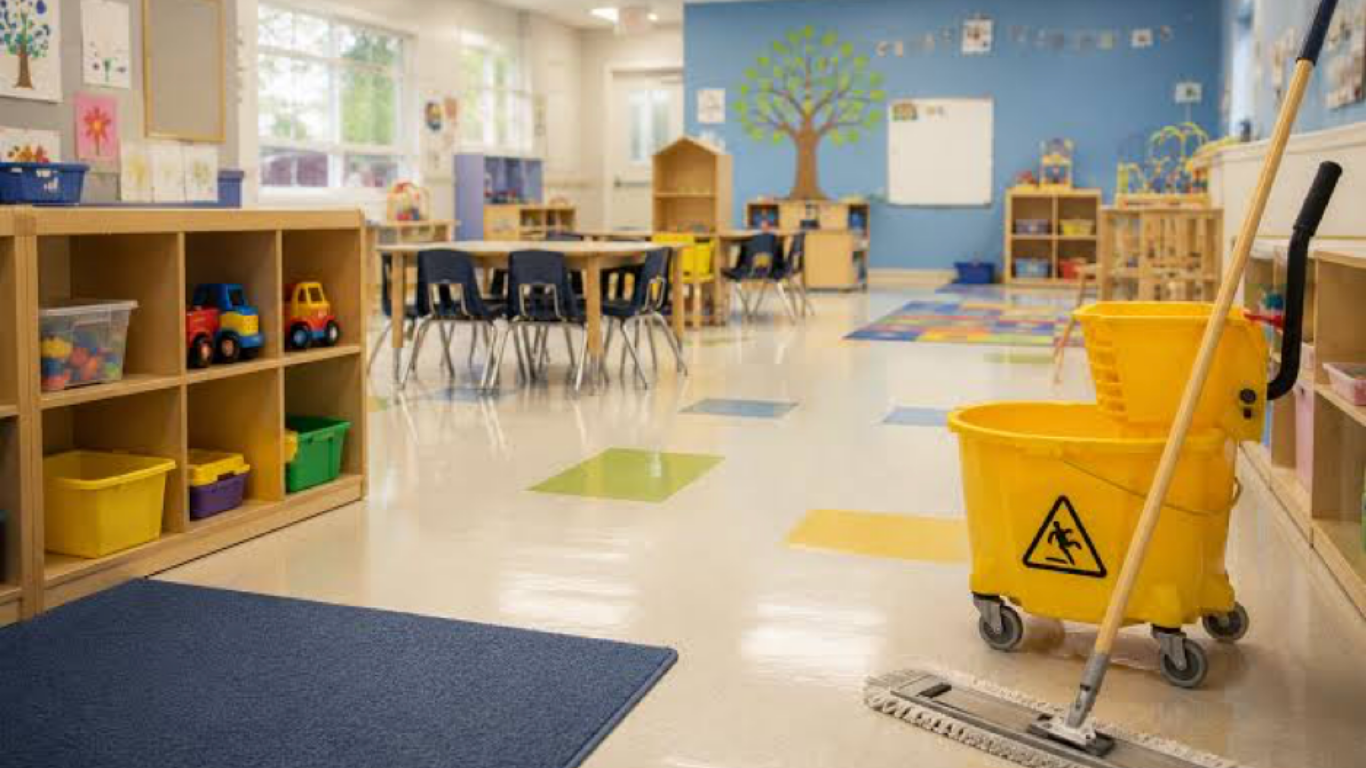
From the moment parents drive through the school gates or walk into reception, they begin forming opinions about how well the school is managed. Spotless classrooms, hygienic washrooms, tidy playgrounds and fresh-smelling communal areas communicate professionalism, attention to detail and a genuine commitment to learner wellbeing.
These observations are more important than many schools realise. A clean environment reflects the values of the institution and demonstrates that the health of learners, educators and visitors is taken seriously. In today's world, where awareness of infection prevention and public health remains high, maintaining exceptional school hygiene standards has become an essential part of creating a positive educational experience.
Good hygiene is about far more than appearances. Consistent cleaning and sanitation help reduce the spread of bacteria and viruses, improve indoor air quality, minimise allergens, support learner attendance and create spaces where students can focus on learning without unnecessary health concerns. For teachers and support staff, a cleaner workplace contributes to better morale and a healthier working environment, while parents gain confidence knowing their children are spending their day in a safe and well-maintained school.
Whether you manage a primary school, high school, college or educational campus, maintaining high hygiene standards is an investment in your learners, your staff and your reputation. Schools that consistently prioritise cleanliness are more likely to inspire confidence, strengthen community trust and create environments where education can thrive.
What Are School Hygiene Standards?
School hygiene standards refer to the cleaning, sanitation and maintenance practices that keep educational facilities clean, healthy and safe for learners, teachers, staff and visitors. They include everything from daily classroom cleaning and washroom sanitation to disinfecting high-touch surfaces, managing waste responsibly and maintaining healthy indoor air quality.
A comprehensive hygiene programme goes beyond simply making a school look clean. It creates an environment that supports learner health, reduces the spread of illness and demonstrates a school's commitment to providing a safe place to learn.
Strong school hygiene standards typically include:
-
Daily classroom cleaning
-
Washroom cleaning and sanitation
-
Disinfection of high-touch surfaces
-
Safe waste management
-
Kitchen and dining area hygiene
-
Playground and outdoor maintenance
-
Indoor air quality management
-
Pest prevention
-
Scheduled deep cleaning
-
Professional quality inspections
When these practices are carried out consistently, schools create healthier learning environments while building confidence among parents and the wider community.
Why School Hygiene Standards Matter More Than Ever
Schools are among the busiest environments in any community. Every day, hundreds—or in many cases thousands—of learners, teachers, administrative staff and visitors move through classrooms, corridors, libraries, sports facilities, laboratories and communal areas. With so many people sharing the same spaces, maintaining high hygiene standards becomes essential for protecting everyone's health.
Surfaces such as desks, door handles, stair railings, computer keyboards, sports equipment and washroom facilities are touched repeatedly throughout the day. Without regular cleaning and disinfection, these high-contact areas can become breeding grounds for bacteria, viruses and other harmful microorganisms that spread quickly throughout a school.
Maintaining excellent school hygiene standards provides benefits that extend well beyond cleanliness.
Schools with structured cleaning programmes often experience:
-
Reduced transmission of bacteria and viruses
-
Healthier classrooms and communal spaces
-
Improved learner attendance
-
Better staff wellbeing
-
Enhanced first impressions
-
Greater parent confidence
-
Stronger school reputation
-
Improved learning environments
-
Better compliance with health and safety requirements
Parents increasingly associate cleanliness with professionalism. A school that invests in maintaining its facilities demonstrates organisation, responsibility and care for everyone who enters its campus.
Why Parents Notice School Hygiene
Parents notice far more than many schools expect.
Long before they ask about academic performance, examination results or extra-curricular activities, they subconsciously evaluate the physical condition of the school. The cleanliness of the environment often becomes a reflection of the school's culture and management.
During school tours, sporting events, parent evenings or learner drop-offs, parents naturally observe details such as:
-
Clean reception areas
-
Fresh-smelling classrooms
-
Sparkling washrooms
-
Sanitised desks
-
Well-maintained playgrounds
-
Empty waste bins
-
Clean windows
-
Neat corridors
-
Hygiene signage
-
Hand sanitiser stations
-
Well-maintained sports facilities
These seemingly small details communicate something much larger: that the school takes pride in its environment and values the health and wellbeing of its learners.
When parents see evidence of consistent cleaning, they feel reassured that their children are spending their day in a safe, organised and professionally managed environment.
9 School Hygiene Standards That Build Parent Confidence
1. Spotless Classrooms Every Day
Classrooms are where learners spend most of their school day, making them one of the most important spaces to keep clean. Every lesson involves constant interaction with desks, chairs, books, stationery, learning equipment and shared resources. Without a structured cleaning routine, these frequently used surfaces can quickly accumulate dust, dirt and harmful germs.
Maintaining clean classrooms is about much more than appearance. A hygienic learning environment helps reduce the spread of illness, improves indoor air quality and creates a more comfortable atmosphere where learners can concentrate without unnecessary distractions.
Daily classroom cleaning should include:
-
Desks and workstations
-
Chairs
-
Floors
-
Whiteboards
-
Shelving
-
Shared learning equipment
-
Computer stations
-
Classroom doors and handles
High-touch surfaces should be disinfected regularly throughout the day, particularly during periods of increased illness or seasonal flu outbreaks.
Dust removal is equally important. Dust particles can trigger allergies and respiratory discomfort, affecting both learners and educators. Regular cleaning helps maintain healthier indoor air quality and contributes to a more productive learning environment.
A consistently clean classroom also sends a strong message to parents. It demonstrates that the school values learner wellbeing and has systems in place to maintain high standards every day—not just during inspections.
2. Hygienic Washrooms
Few areas influence a parent's perception of a school more quickly than its washroom facilities.
Even if every classroom is spotless, poorly maintained toilets can leave parents questioning the school's overall commitment to hygiene and learner welfare. Washrooms are among the busiest areas on campus and require continuous attention throughout the day.
Maintaining hygienic washrooms involves far more than routine cleaning. Schools should ensure facilities are regularly inspected, adequately stocked and cleaned using professional-grade products that effectively eliminate bacteria while maintaining a pleasant environment.
Well-maintained washrooms should always be:
-
Cleaned several times each day
-
Fully stocked with soap
-
Equipped with hygienic hand-drying facilities
-
Free from unpleasant odours
-
Well ventilated
-
Regularly disinfected
-
Supplied with toilet paper
-
Checked throughout the day
Proper washroom hygiene encourages learners to wash their hands correctly, helping reduce the spread of germs throughout the school.
Parents often view clean washrooms as an indicator of effective school management. A well-maintained facility reflects organisation, attention to detail and a commitment to protecting the health of everyone on campus.
3. Regular Disinfection of High-Touch Surfaces
Some of the most frequently touched areas within a school often receive the least attention.
Door handles, stair rails, computer keyboards, classroom light switches and shared learning equipment are used continuously throughout the school day by hundreds of different people. Without routine disinfection, these surfaces can quickly become hotspots for bacteria and viruses.
An effective hygiene programme identifies these high-contact areas and ensures they are disinfected multiple times throughout the day using appropriate cleaning products and proven sanitation procedures.
High-touch surfaces commonly include:
-
Door handles
-
Light switches
-
Stair railings
-
Computer keyboards
-
Tablets
-
Interactive whiteboards
-
Sports equipment
-
Water fountains
-
Reception counters
-
Lift buttons
-
Shared classroom equipment
Routine disinfection significantly reduces the likelihood of cross-contamination while supporting a healthier school environment for learners, teachers and visitors.
For parents, knowing that schools actively disinfect these areas provides additional reassurance that proactive measures are being taken to protect their children's health.
4. Effective Waste Management
A clean school cannot exist without an effective waste management system. Overflowing rubbish bins, littered outdoor areas and poorly maintained refuse storage not only create unpleasant first impressions but can also attract pests, produce unpleasant odours and increase health risks across the campus.
Good waste management is about creating a structured process that keeps waste under control throughout the school day. When bins are emptied regularly and waste is disposed of responsibly, schools maintain a cleaner, safer and more organised environment for everyone.
An effective waste management programme should include:
- Daily waste collection
- Clearly labelled waste and recycling bins
- Safe disposal of sanitary waste
- Covered refuse containers
- Regular cleaning of refuse storage areas
- Recycling initiatives where possible
- Scheduled inspections of waste collection points
Schools should also encourage learners to take responsibility for their environment by providing clearly marked recycling stations and promoting good waste disposal habits. These small initiatives not only keep the campus cleaner but also help instil lifelong environmental awareness.
Parents appreciate schools that take pride in maintaining tidy surroundings. A clean campus sends a powerful message that attention to detail extends beyond the classroom and reflects a culture of care and responsibility.
5. Healthy Indoor Air Quality
When people think about cleanliness, they often focus on visible surfaces. However, the quality of the air inside classrooms is equally important.
Learners and educators spend many hours indoors every day, and poor indoor air quality can contribute to fatigue, headaches, allergies and reduced concentration. Dust accumulation, poorly maintained ventilation systems and inadequate airflow can all affect the learning experience.
Maintaining healthy indoor air quality should form an essential part of every school's hygiene programme.
Schools can improve indoor air quality by:
- Servicing ventilation and air-conditioning systems regularly
- Removing dust from classrooms and shared spaces
- Cleaning ceiling fans and air vents
- Opening windows where practical to encourage natural ventilation
- Controlling moisture to prevent mould growth
- Using appropriate cleaning products that leave minimal chemical residue
Cleaner air creates a healthier learning environment where learners are better able to focus and teachers can work comfortably throughout the day.
Parents may not always notice the air quality directly, but they do notice fresh-smelling classrooms, clean surroundings and the absence of dust and unpleasant odours. These subtle details contribute significantly to their overall perception of the school.
6. Safe Kitchens and Dining Areas
Schools that prepare or serve food have an even greater responsibility to maintain exceptional hygiene standards. Whether meals are prepared on-site or brought in by external suppliers, kitchens and dining areas require strict cleaning protocols to protect learners from food contamination.
Food preparation surfaces, serving counters, sinks and dining tables should be cleaned and sanitised throughout the day using food-safe cleaning products. Waste should be removed promptly, and refrigerators, storage cupboards and food preparation equipment should be inspected and cleaned regularly.
Good kitchen hygiene includes:
- Daily cleaning and sanitisation of food preparation areas
- Cleaning serving counters after each meal period
- Regular disinfection of dining tables
- Safe food storage
- Routine cleaning of refrigerators and appliances
- Proper waste disposal
- Pest prevention measures
Maintaining clean dining facilities helps reduce the risk of foodborne illnesses while providing learners with a pleasant environment in which to enjoy their meals.
Parents are reassured when schools demonstrate that food hygiene receives the same level of attention as classroom cleanliness.
7. Well-Maintained Outdoor Spaces
A school's outdoor environment creates the very first impression for prospective parents and visitors. Before they step inside a classroom, they have already formed opinions based on the appearance of the grounds.
Clean entrances, neatly maintained gardens, litter-free playgrounds and well-kept sports facilities communicate professionalism and pride in the school environment.
Outdoor maintenance should include:
- Clean school entrances
- Maintained sports fields
- Safe playground equipment
- Regular litter collection
- Swept walkways
- Clean parking areas
- Well-maintained gardens
- Clean outdoor seating areas
Playgrounds deserve particular attention because younger learners frequently come into direct contact with playground equipment. Regular cleaning and inspection help minimise dirt accumulation while ensuring equipment remains safe to use.
Outdoor cleanliness also contributes to learner wellbeing by creating pleasant spaces for recreation, sport and social interaction.
For parents, a clean exterior reinforces confidence before they even enter the building.
8. Make Hygiene Visible
One of the simplest ways to build parent confidence is to make hygiene practices visible throughout the school.
Parents feel reassured when they can clearly see that hygiene is not treated as an afterthought but as an everyday priority.
Visible hygiene measures may include:
- Hand sanitiser stations at entrances
- Hygiene awareness posters
- Staff following structured cleaning schedules
- Cleaning equipment readily available
- Clearly displayed inspection records
- Soap dispensers that are always stocked
- Educational hygiene campaigns for learners
These visible actions demonstrate that the school has established systems rather than relying on occasional cleaning.
Visible hygiene also encourages learners to develop positive habits such as regular handwashing, responsible waste disposal and respect for shared spaces.
Creating a culture of cleanliness benefits the entire school community and reinforces the importance of personal responsibility alongside professional cleaning.
9. Invest in Professional School Cleaning Services
While school staff work hard to keep facilities clean, maintaining consistently high hygiene standards across an entire campus requires specialist knowledge, commercial equipment and structured cleaning programmes.
Professional cleaning companies understand the unique requirements of educational environments. They use proven cleaning methods, commercial-grade equipment and approved disinfectants to maintain consistently high standards while minimising disruption to teaching activities.
Professional school cleaning services typically include:
- Daily contract cleaning
- Classroom cleaning
- Washroom hygiene services
- Carpet and upholstery cleaning
- Window cleaning
- High-touch surface disinfection
- Floor maintenance
- Holiday deep cleaning
- Consumable management
- Hygiene inspections and quality assurance
Working with a professional cleaning provider also gives schools access to trained cleaning personnel who understand infection prevention, safe chemical handling and structured cleaning schedules.
Rather than reacting to hygiene issues as they arise, schools benefit from preventative maintenance programmes that ensure cleanliness is maintained every day of the academic year.
Professional cleaning also provides accountability through routine quality inspections, cleaning checklists and documented service schedules, helping schools demonstrate their commitment to maintaining high hygiene standards.
For parents, this commitment is reassuring. Knowing that a school partners with experienced cleaning professionals reinforces confidence that learner health, safety and wellbeing are being prioritised at every level.
Why Preventative Cleaning Saves Schools Time and Money
Many schools only invest in additional cleaning when problems become visible. Unfortunately, reactive cleaning is often more expensive and less effective than a planned preventative approach.
Routine cleaning helps prevent the build-up of dirt, bacteria and grime that can damage flooring, furniture, equipment and facilities over time. It also reduces the likelihood of costly emergency deep cleans and extends the lifespan of school assets.
Preventative cleaning programmes can help schools:
- Protect flooring and classroom furniture
- Extend the lifespan of carpets and upholstery
- Reduce long-term maintenance costs
- Improve the appearance of facilities year-round
- Minimise disruptions caused by illness outbreaks
- Create consistently healthy learning environments
By investing in regular professional cleaning, schools often save money over the long term while providing a cleaner and safer experience for learners, educators and visitors alike.
School Hygiene Checklist
Maintaining exceptional school hygiene standards requires consistency, planning and regular inspections. Use this checklist to assess whether your school is creating a clean, healthy and welcoming environment for learners, educators and visitors.
Daily Cleaning
✔ Classrooms cleaned before the start of each school day
✔ Desks, chairs and shared learning equipment disinfected
✔ Floors swept and mopped
✔ High-touch surfaces sanitised throughout the day
✔ Reception areas kept clean and welcoming
✔ Waste bins emptied before they become full
Washroom Hygiene
✔ Toilets cleaned and disinfected several times daily
✔ Soap dispensers checked and refilled
✔ Toilet paper replenished
✔ Hand-drying facilities operational
✔ Floors kept dry and slip-free
✔ Washrooms remain clean and odour-free throughout the day
Shared Spaces
✔ Libraries cleaned daily
✔ Staff rooms sanitised
✔ Computer laboratories disinfected
✔ Sports equipment cleaned regularly
✔ Assembly halls maintained
✔ Corridors and stairways cleaned daily
Kitchen and Dining Areas
✔ Food preparation areas sanitised
✔ Serving counters disinfected
✔ Dining tables cleaned after every use
✔ Refrigeration units maintained
✔ Waste removed promptly
Building Maintenance
✔ Air-conditioning systems serviced
✔ Windows cleaned regularly
✔ Ventilation systems inspected
✔ Pest prevention programme in place
✔ Holiday deep cleaning scheduled
Schools that can confidently tick every item on this checklist are well positioned to provide learners with a healthier learning environment while building trust among parents and staff alike.
How to Choose a Professional School Cleaning Company
Not all commercial cleaning providers understand the unique requirements of educational facilities. Schools require cleaning partners who can work efficiently around busy schedules while maintaining consistently high hygiene standards.
When choosing a professional school cleaning company, consider the following:
Experience in Educational Facilities
Cleaning a school differs significantly from cleaning an office or retail environment. Choose a provider with experience in educational settings and an understanding of learner safety, infection prevention and school operations.
Trained Cleaning Teams
Professional cleaners should receive ongoing training in cleaning procedures, safe chemical handling, infection prevention and quality assurance. Well-trained staff deliver more consistent results and help maintain high standards across every area of the school.
Structured Cleaning Programmes
A reliable cleaning company should provide detailed cleaning schedules, inspection checklists and quality control measures. This ensures that every classroom, washroom and communal area receives the attention it requires.
Commercial-Grade Equipment and Products
Professional cleaning companies use specialised equipment and approved cleaning products that provide more effective results than standard household supplies. This helps maintain cleaner, healthier environments while protecting school assets.
Quality Assurance
Regular inspections and performance monitoring ensure cleaning standards remain consistent throughout the year. Schools should work with providers who proactively identify areas requiring additional attention rather than waiting for problems to arise.
Flexible Cleaning Solutions
Every school is different. A good cleaning partner should be able to tailor services according to the size of the campus, learner numbers, operating hours and budget.
Choosing the right cleaning company is not simply about outsourcing a service—it is about investing in the health, safety and reputation of your school.
Frequently Asked Questions
Why are school hygiene standards important?
School hygiene standards help reduce the spread of bacteria and viruses, improve learner wellbeing, support healthier learning environments and give parents confidence that their children are attending a safe, well-maintained school.
How often should classrooms be cleaned?
Classrooms should be cleaned every day, with high-touch surfaces such as desks, door handles and shared learning equipment disinfected regularly throughout the school day. Additional cleaning may be required during flu season or following illness outbreaks.
What areas of a school require the most frequent cleaning?
The areas that require the most attention include classrooms, washrooms, reception areas, kitchens, dining facilities, staff rooms, libraries, sports facilities and high-touch surfaces such as door handles, light switches, stair rails and shared equipment.
Why are clean school washrooms so important?
Washrooms play a critical role in preventing the spread of germs. Clean facilities encourage proper handwashing, reduce the risk of illness and create positive impressions among learners, staff and parents.
Should schools use professional cleaning services?
Yes. Professional cleaning companies provide trained personnel, commercial-grade equipment and structured cleaning programmes that help schools maintain consistently high hygiene standards throughout the year.
How does a clean school benefit learners?
A clean learning environment reduces exposure to harmful bacteria and allergens, improves comfort, supports concentration, reduces absenteeism and contributes to a more positive educational experience.
Can professional cleaning help improve a school's reputation?
Absolutely. Parents often associate cleanliness with professionalism, organisation and safety. Schools that consistently maintain clean facilities create stronger first impressions and inspire greater confidence among prospective and existing families.
Why Professional Cleaning Makes the Difference
Maintaining exceptional school hygiene standards is not achieved through occasional cleaning—it requires consistency, planning and expertise.
Professional cleaning teams follow structured cleaning schedules designed to ensure every area of the school receives the attention it needs. From classrooms and washrooms to sports facilities and communal spaces, every cleaning task contributes to creating a healthier environment where learners and educators can thrive.
Commercial-grade cleaning equipment, industry-approved disinfectants and routine quality inspections help deliver results that are difficult to achieve through ad hoc cleaning alone. Professional cleaning providers also stay informed about best practices in infection prevention, hygiene compliance and environmental safety, allowing schools to benefit from the latest cleaning methods and technologies.
Most importantly, a structured cleaning programme provides peace of mind. School management can focus on delivering quality education while experienced hygiene professionals ensure that the campus remains clean, safe and welcoming throughout the academic year.
Conclusion
A clean school speaks volumes before a single lesson begins.
Parents notice the condition of classrooms, washrooms, playgrounds and communal spaces because these areas reflect how seriously a school takes the health, safety and wellbeing of its learners. Maintaining exceptional school hygiene standards is no longer simply about creating an attractive campus—it is about protecting the people who learn, teach and work there every day.
Consistent cleaning helps reduce the spread of illness, supports better attendance, improves indoor air quality and creates learning environments where learners can concentrate and succeed. It also strengthens staff morale, enhances a school's reputation and gives parents the confidence that they have chosen the right educational environment for their children.
Achieving these standards requires more than routine cleaning. It requires a structured hygiene programme, trained professionals, quality assurance and a commitment to continuous improvement. Schools that invest in professional cleaning services are investing in healthier learners, more productive classrooms and stronger relationships with their communities.
At Masana Hygiene Services, we understand that every educational facility has unique cleaning requirements. Whether you manage a primary school, high school, college or training institution, our experienced team delivers tailored cleaning solutions that help create safe, healthy and welcoming learning environments.
Our comprehensive services include daily contract cleaning, washroom hygiene services, classroom cleaning, carpet and upholstery cleaning, floor care, window cleaning, holiday deep cleaning, consumable management and ongoing quality inspections. Every service is designed to support your school's commitment to maintaining exceptional hygiene standards throughout the year.
When parents see a clean, well-maintained school, they see more than spotless floors and sanitised desks—they see a school that cares about its learners. That's the confidence every school should inspire.
If you're ready to create a healthier learning environment and partner with a trusted commercial cleaning provider, contact Masana Hygiene Services today. We'll work with you to develop a customised cleaning programme that protects your learners, supports your staff and helps your school maintain the highest hygiene standards every day.